Storm Damage and Overgrowth Removal
Yard & Outdoor Services in Topeka for properties dealing with fallen branches, storm debris, or accumulated yard waste
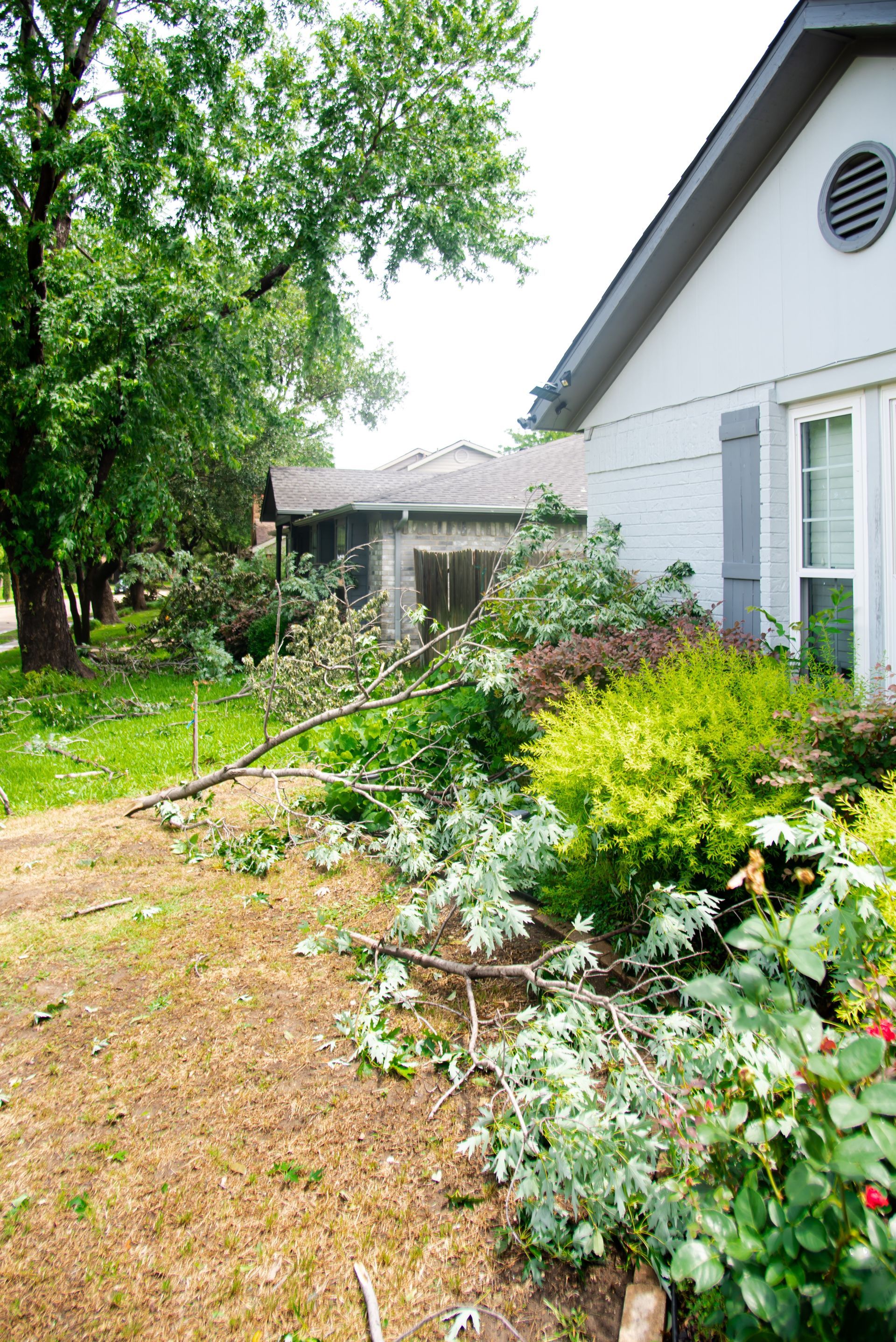
Branches snapped off by ice storms and scattered across the lawn, piles of brush from overgrown shrubs that were finally trimmed back, or the remnants of a fence blown down during a windstorm all create debris that's too bulky for curbside pickup and too heavy to haul in a personal vehicle. After severe weather moves through Topeka—especially ice storms in winter or high winds during spring and summer storm seasons—properties are left with cleanup needs that exceed what homeowners can manage with standard trash service. Junk Busters provides yard and outdoor services for properties where storm debris, branches, brush, landscaping waste, old fence posts, and deteriorated playsets need removal and hauling, clearing outdoor spaces so they're safe and usable again.
This service removes organic debris like branches and brush, remnants of wooden structures like fence sections or swing sets, and other yard waste that accumulates during property maintenance or following storm events. The work involves gathering scattered debris, cutting large branches into manageable sections if necessary, loading everything for transport, and hauling it all off-site for disposal or recycling depending on material type.
Request a debris assessment to determine volume and confirm access for removal equipment based on your property layout and current ground conditions.
What Gets Cleared During Yard Cleanup
Storm debris cleanup focuses on removing fallen limbs, broken branches, and damaged plant material that's too large or too heavy for bagging and curbside collection, along with sections of fence or structure that were damaged beyond repair and need complete removal. Branch and brush removal includes trimming waste from routine maintenance—hedge clippings, pruned limbs, cleared undergrowth—that piles up quickly during growing season and takes multiple trips to dispose of properly. Fence post removal addresses the buried portion of posts that remain after panels are pulled, extracting them from the ground or cutting them flush depending on depth and surrounding landscape.
Once debris is hauled away, your yard is cleared of tripping hazards and obstacles, the lawn is accessible for mowing again, and outdoor spaces return to functional use without piles of branches or waste material blocking pathways or creating visual clutter. Ground that was covered by debris is exposed and can be raked, reseeded, or left to recover naturally depending on how long material was sitting and whether grass underneath is still viable.
Old swing sets and playsets are dismantled and removed when children outgrow them or when wooden structures decay to the point where splinters, loose bolts, and weakened framing make them unsafe, and removal includes unbolting or cutting apart the frame, pulling anchors or footings from the ground, and hauling away all components including plastic slides, metal chains, and treated lumber.
Answers to Frequent Service Questions
Yard cleanup and debris removal involve practical considerations about timing, scope, and how different materials are handled.
What's considered storm debris versus regular yard waste?
Storm debris typically includes large fallen branches, sections of trees brought down by wind or ice, and damaged structures like fences or sheds, while regular yard waste covers grass clippings, small prunings, leaves, and routine maintenance debris that accumulates gradually rather than all at once.
How soon after a storm should debris be removed?
Removing debris promptly prevents it from becoming embedded in the lawn if it sits too long, reduces tripping hazards while the property is still in active use, and clears pathways and driveways so daily routines can resume without obstruction.
When is branch removal more than just picking up fallen limbs?
Branch removal becomes more involved when limbs are tangled in fences, resting on structures, or partially attached and hanging dangerously, requiring cutting and rigging to lower them safely before hauling, especially after ice storms leave heavy limbs wedged in awkward positions.
How are old fence posts removed without damaging nearby landscaping?
Posts are extracted by digging around the footing and pulling the entire post and concrete base if depth allows, or by cutting the post at grade and leaving the below-ground portion in place when digging would disturb roots, irrigation lines, or established plantings too severely.
What happens to yard waste after it's removed from the property?
Organic materials like branches and brush are typically taken to composting or mulching facilities where wood waste is processed and recycled, while non-organic debris like metal playset frames or treated lumber is sorted and disposed of according to material type and local regulations.
Junk Busters removes yard debris, storm waste, and outdoor items throughout Topeka, handling the heavy lifting and hauling so you can focus on restoring your property to normal use. Schedule a cleanup visit after reviewing the type and volume of material that needs removal based on recent weather or maintenance work.