
Clearing Interiors for Renovation or Rebuilding
Interior Demo & Removal in Topeka for properties preparing for remodeling or complete interior replacement
Drywall sections that need to come down, flooring that must be pulled before new materials go in, or cabinets and fixtures that no longer serve the space all require systematic removal before renovation work begins. Junk Busters handles interior demo and removal in Topeka for homeowners and contractors who need existing materials cleared out completely and hauled away so the next phase of work can start. Every demolition job involves different materials—carpet over hardwood subflooring, tile set in mortar, laminate cabinets fastened to studs, paneling nailed directly to framing—and the removal approach adjusts based on what's actually attached and how it needs to come apart without damaging structural elements that stay.
This service removes interior materials room by room or throughout entire properties, including drywall sections, all flooring types, kitchen and bathroom cabinets, countertops, vanities, toilets, tubs, showers, sinks, door and window frames, non-load bearing walls, drop ceilings, paneling, insulation, and stairs. The process starts with disconnecting plumbing and electrical fixtures safely, then proceeds through systematic disassembly and removal of materials in the sequence that prevents unnecessary damage to structural framing, exterior walls, and systems that remain in place.
Schedule a property walkthrough to identify which materials need removal and confirm structural elements that remain untouched.
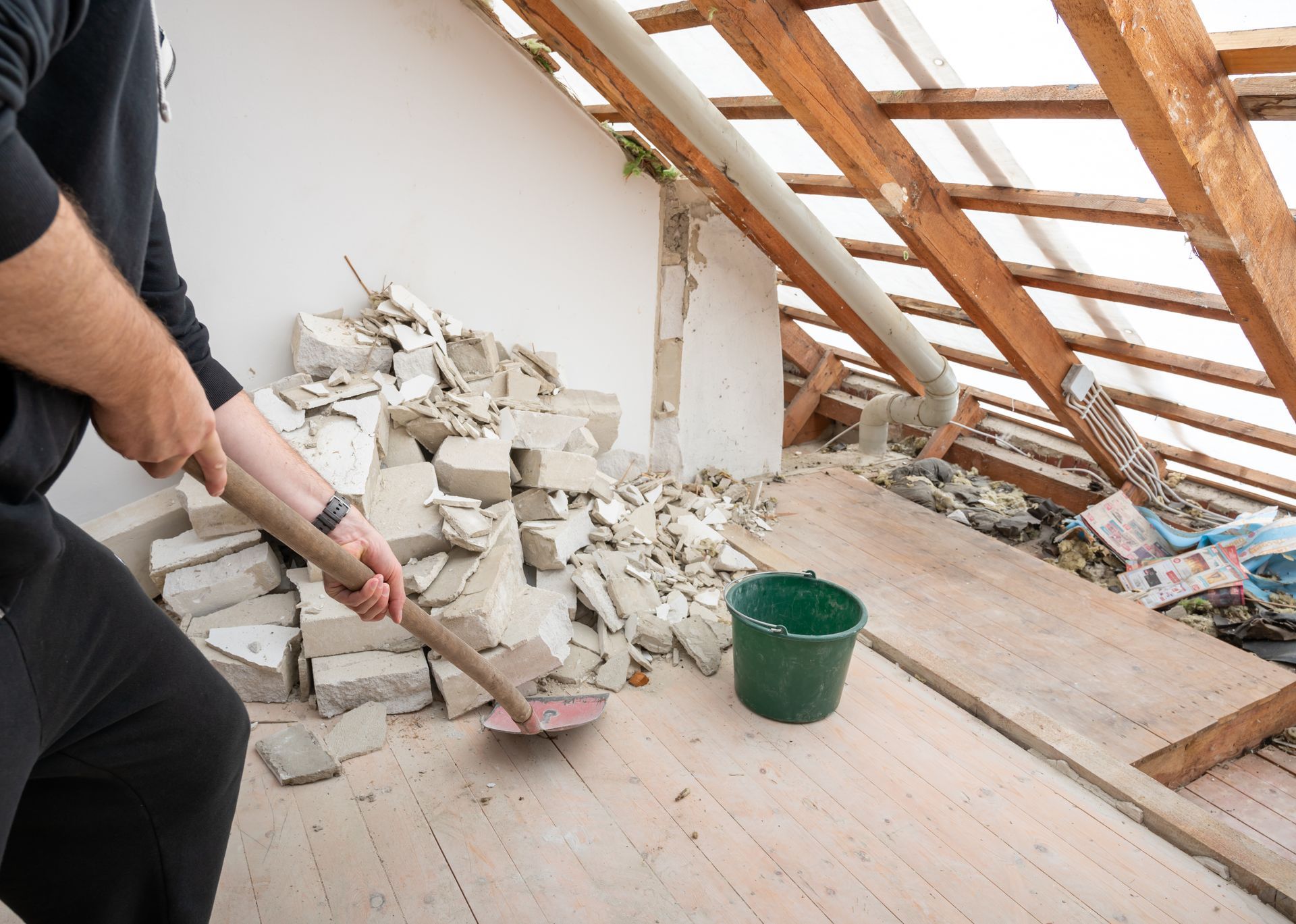
What Happens During Full Interior Demolition
Interior demolition begins with fixture disconnection—shutting off water lines before removing toilets and vanities, disconnecting drain lines under sinks, capping gas lines before pulling stoves or water heaters, and verifying electrical circuits are de-energized before removing light fixtures or appliances. Once utilities are isolated, fixtures come out first, followed by cabinets and countertops, then flooring, and finally wall surfaces or framing that's designated for removal. Drop ceilings are dismantled tile by tile and grid section by grid section, while drywall is scored and pulled in manageable sections to control dust and make debris easier to haul.
After the work is complete, you're left with cleared floor space and exposed framing ready for inspection and new construction, with all removed materials hauled off-site and disposed of properly. Subflooring is visible and accessible for repair or replacement, wall cavities are open for plumbing and electrical upgrades, and the entire interior is ready for the next contractor to begin framing adjustments, insulation installation, or finish material application without needing to work around old fixtures or pull out forgotten debris.
The scope of demo work varies widely—some projects involve pulling carpet and vinyl from a single bathroom, while others require clearing every interior surface in a house down to the studs and joists. Load-bearing walls remain untouched unless structural plans and engineering specifications direct otherwise, and exterior walls stay intact unless the project explicitly includes their removal. Insulation removal becomes necessary when old material is damaged by moisture, contaminated by pests, or simply compressed and ineffective, and it's handled separately from drywall or paneling to avoid spreading loose fibers throughout the work area.
Questions Homeowners Ask Before Starting Demo
Renovation and remodeling projects in Topeka often begin with interior demolition, and property owners typically want to understand the process and what's included before work begins.
What's the difference between removing drywall and removing an interior wall?
Drywall removal takes down the surface material attached to wall studs, leaving the framing in place, while interior wall demo removes both the drywall and the studs themselves when the wall is confirmed as non-load bearing and the remodel plan calls for open space.
How is flooring removed when multiple layers are installed?
Each layer comes up in sequence—carpet pulls free from tack strips first, then pad is rolled and removed, and if there's hardwood, tile, or vinyl underneath, those layers are addressed separately using pry bars, scrapers, or tile chisels depending on how they're fastened.
What happens to plumbing and electrical fixtures during removal?
Water lines and drain pipes are capped after fixtures are disconnected, and electrical circuits are verified off before removing outlets, switches, or hardwired appliances to prevent shock hazards or water damage during the rest of the demo work.
When should insulation be removed during interior demo?
Insulation removal is necessary when it's visibly damaged, contaminated by water or pests, or when walls are being opened for plumbing and electrical work that requires clear access to framing and cavities without loose fill or fiberglass in the way.
How long does it take to clear an entire interior?
Timeline depends on the size of the space, the materials involved, and how many fixtures need disconnection—clearing a single bathroom takes a few hours, while gutting a full house down to the framing can take several days of systematic removal and hauling.
Junk Busters handles interior demolition and removal for residential and light commercial properties throughout Topeka, providing complete material clearing and haul-off so your remodeling contractor can begin framing and finish work immediately. Request a project estimate after reviewing your renovation plans and identifying which interior elements need removal.