Heavy Appliances That Won't Fit Standard Pickup
Appliance & Large Items in Topeka for homes replacing refrigerators, washers, water heaters, and bulky equipment
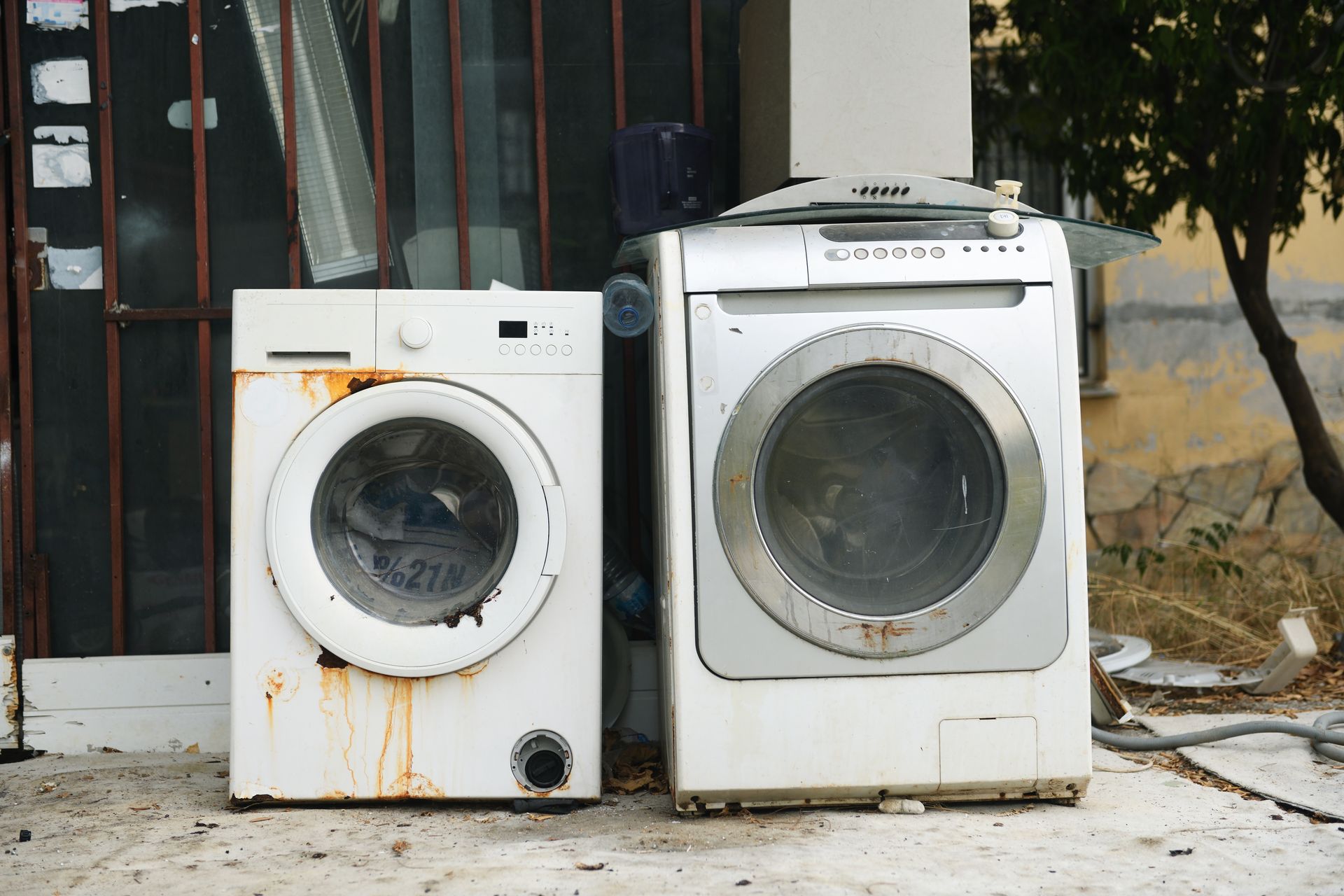
Refrigerators that stopped cooling, washers that leak onto the laundry room floor, or water heaters that rust through at the base all reach a point where replacement is the only practical option, and the old unit becomes a removal problem. Standard trash service doesn't accept appliances, and hauling a 200-pound refrigerator or a waterlogged washing machine down basement stairs and into a truck requires equipment and labor most homeowners don't have available. Appliances and large items accumulate during home upgrades and system failures—old HVAC window units replaced by central air, exercise equipment that no longer gets used, safes that are too heavy to move during relocation. Junk Busters handles appliance and large item removal in Topeka for properties where refrigerators, washers, dryers, dishwashers, stoves, ovens, water heaters, HVAC units, exercise machines, and safes need removal and proper disposal after being disconnected or replaced.
Appliance removal involves disconnecting units from utilities if they're still hooked up, maneuvering them out of tight spaces like laundry closets or basement mechanical rooms, and loading them for transport without damaging floors, walls, or doorways during the process. Water heaters require draining before removal, refrigerators need refrigerant recovered according to EPA regulations before disposal, and washers often retain water in pump housings even after hoses are disconnected.
Schedule appliance removal once new units are delivered and old equipment is fully disconnected from water, gas, or electrical service.
How Large Item Removal Handles Weight and Access
Removing appliances and heavy items requires assessing access routes before attempting to move anything—measuring doorways and hallways, checking stair width and turning radius, and confirming whether items need to be disassembled or tilted at specific angles to clear obstacles. Refrigerators come out with doors removed when width is tight, washers and dryers navigate stairs more easily when tumbler drums are secured to prevent internal shifting, and treadmills or elliptical machines are often partially disassembled to reduce bulk and weight during transport.
After removal is complete, the space previously occupied by the appliance or equipment is cleared and accessible for cleaning, repairs, or installation of replacement units without old equipment blocking access or taking up floor space. Utility connections are left capped and ready for the next appliance to be hooked up, floors are checked for residual water or debris, and the area is returned to a clean baseline condition.
Safe removal involves more than just strength—it requires understanding appliance weight distribution, knowing when to use dollies or lifting straps, and recognizing when items are too unstable or awkward to move without additional help. Exercise equipment often has unbalanced weight concentrated in flywheels or frames, making it prone to tipping, while safes exceed the weight capacity of standard moving equipment and require specialized handling to avoid floor damage or injury.
What Homeowners Want to Know Before Removal
Appliance and large item removal raises questions about preparation, timing, and what happens to old units after they leave the property.
What's required before appliances can be removed?
Appliances need to be disconnected from utilities—water lines shut off and hoses removed from washers and dishwashers, gas lines capped after stoves are disconnected, and electrical plugs unplugged or hardwired connections turned off at the breaker before removal begins.
How are refrigerators disposed of properly?
Refrigerators contain refrigerants that must be recovered by certified technicians before disposal, and the units are then recycled for metal and plastic components at facilities equipped to handle appliance-specific materials and environmental regulations.
When should water heaters be drained before removal?
Water heaters are drained completely before removal to reduce weight and prevent water spillage during transport, which involves attaching a hose to the drain valve, running it to a floor drain or exterior location, and opening the valve until the tank is empty.
How are heavy safes moved without damaging floors?
Safes are moved using appliance dollies with weight ratings that match or exceed the safe's actual weight, protective padding on floors to prevent scratches or dents, and controlled movement that avoids dropping or dragging the unit across finished surfaces.
What happens to old appliances after they're hauled away?
Appliances are delivered to recycling centers where metal components are separated and processed, refrigerant and oil are captured and disposed of according to environmental standards, and plastic and electronic parts are sorted for material recovery or proper disposal.
Junk Busters removes appliances and large items from residential properties throughout Topeka, handling disconnection verification, safe transport, and responsible disposal so old units don't sit in garages or on curbs waiting for a solution. Arrange a pickup appointment after confirming your appliances are disconnected and ready for removal based on the replacement schedule or upgrade timeline.